Get Whole House Fan Installation
Whole house fan installation services help property owners improve airflow, reduce indoor heat, and enhance comfort by connecting with local contractors experienced in installing and integrating these systems.
If you’re considering a whole house fan installation, you’ve come to the right place to explore your options. Property owners in the area often look into these systems to improve airflow, reduce reliance on mechanical cooling, and enhance overall comfort throughout their homes. Understanding the benefits and planning the right setup can help ensure the project meets your needs, making it a practical addition to your property.
Finding the right local contractors to handle your whole house fan installation involves comparing experienced service providers who can tailor solutions to your specific space. By reviewing your options and consulting with local experts, you can make informed decisions about the best approach for your home. Keep reading to discover how professional installation can enhance your property’s comfort and efficiency.
- Whole House Fan Installation - homeowners seeking to improve indoor comfort and ventilation may need professional installation services.
- Whole House Fan Replacement - property owners with outdated or malfunctioning fans looking for efficient upgrades can benefit from local contractors.
- Whole House Fan Maintenance - those wanting to ensure optimal performance and longevity of their existing fans may require routine servicing.
- Whole House Fan Repair - residents experiencing issues like unusual noise or inadequate airflow might need expert troubleshooting and repairs.
- Whole House Fan Consultation - individuals considering a new system or upgrade can consult with local service providers for advice and recommendations.
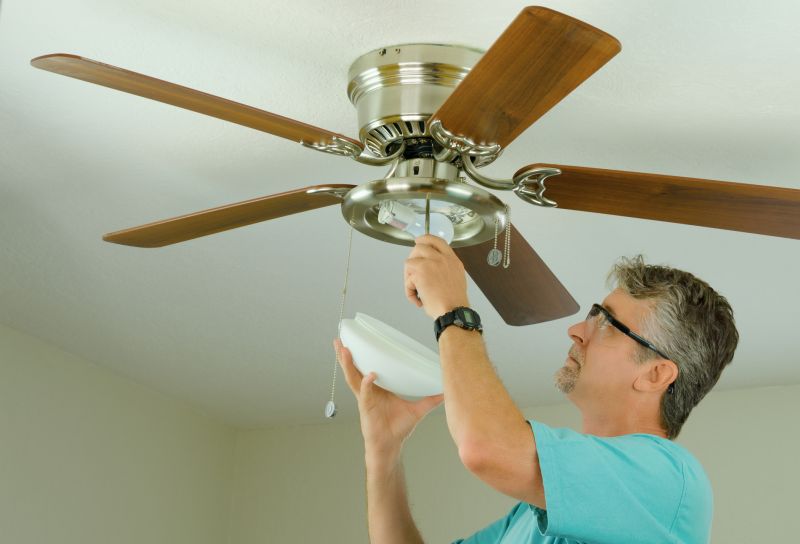
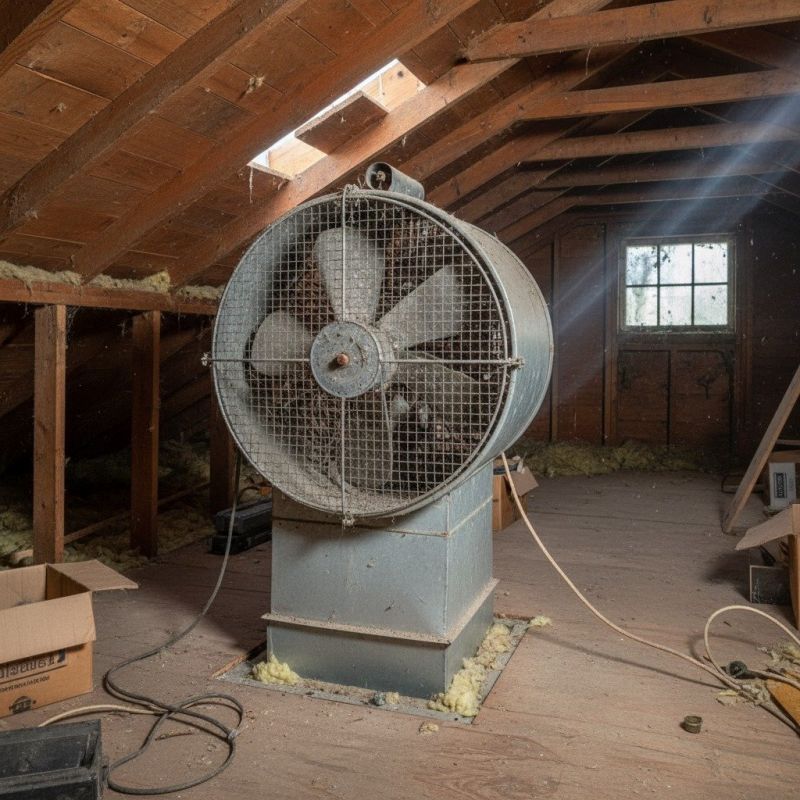
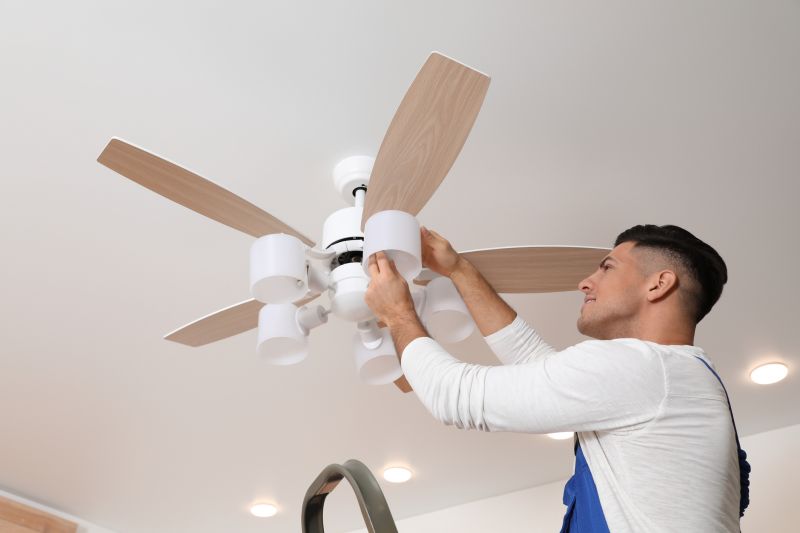
Whole house fan installation involves setting up a ventilation system that helps improve airflow throughout a home. Typically installed in the attic or ceiling, these fans work by drawing in cooler outdoor air during the evening and early morning hours, then pushing warm indoor air out through attic vents. This process creates a natural cooling effect, reducing the need for air conditioning during milder weather. Skilled service providers can ensure the fan is properly integrated into the home’s existing ductwork and electrical systems, providing an efficient and effective solution for improving indoor comfort.
This service is especially helpful for homeowners dealing with indoor heat buildup or stuffy air, particularly during hot seasons. Whole house fans help to eliminate excess heat and humidity, which can make living spaces uncomfortable and promote mold or mildew growth. They also assist in reducing reliance on air conditioning, leading to potential energy savings. Service providers can evaluate a home’s specific needs to determine if a whole house fan is a suitable option for enhancing air circulation and maintaining a more comfortable indoor environment.
Properties that often benefit from whole house fan installation include single-family homes, especially those with attic spaces that facilitate good airflow. Older homes with limited or outdated cooling systems may find this solution particularly advantageous. Additionally, homes in areas with moderate to hot climates, where temperature swings between day and night are significant, are ideal candidates. Service providers can assess the layout and ventilation needs of each property to recommend the best installation approach, ensuring the system operates effectively and efficiently.
Homeowners considering whole house fan installation should look for local contractors experienced in this type of work. These professionals can handle the technical aspects of installing the fan, ensuring it is properly positioned and integrated into the home’s existing structure. Proper installation is key to maximizing airflow and energy efficiency. Contacting local service providers can help determine if a whole house fan is suitable for a specific property, and they can provide the expertise needed to complete the installation smoothly and reliably.
The overview below groups typical Whole House Fan Installation projects into broad ranges so you can see how smaller, mid-sized, and larger jobs often compare in your area.
In many markets, a large share of routine jobs stays in the lower and middle ranges, while only a smaller percentage of projects moves into the highest bands when the work is more complex or site conditions are harder than average.
Smaller Repairs - Minor repairs or adjustments to an existing whole house fan typically cost between $250 and $600. Many routine jobs fall within this range, depending on the scope of work and parts needed.
Standard Installation - Installing a new whole house fan in a typical home usually ranges from $600 to $1,200. Most projects in this category are straightforward, with fewer exceeding the upper end of this range.
Full Replacement - Replacing an old or inefficient fan with a higher-capacity model can cost between $1,200 and $2,500. Larger or more complex projects may push costs above this range, but they are less common.
Custom or Complex Projects - Custom installations or projects involving additional electrical work can reach $2,500 or more. These higher-end jobs are less frequent but are handled by local contractors with specialized expertise.
Actual totals will depend on details like access to the work area, the scope of the project, and the materials selected, so use these as general starting points rather than exact figures.
Attic Ventilation Installation - this project involves installing vents and fans to improve airflow, similar to the planning and airflow considerations in Whole House Fan installations.
Exhaust Fan Installation - installing exhaust fans in bathrooms or kitchens requires similar electrical work and understanding of ventilation systems as Whole House Fan setups.
Ceiling Fan Installation - mounting ceiling fans involves wiring and positioning skills that are applicable to installing large ventilation fans in a home.
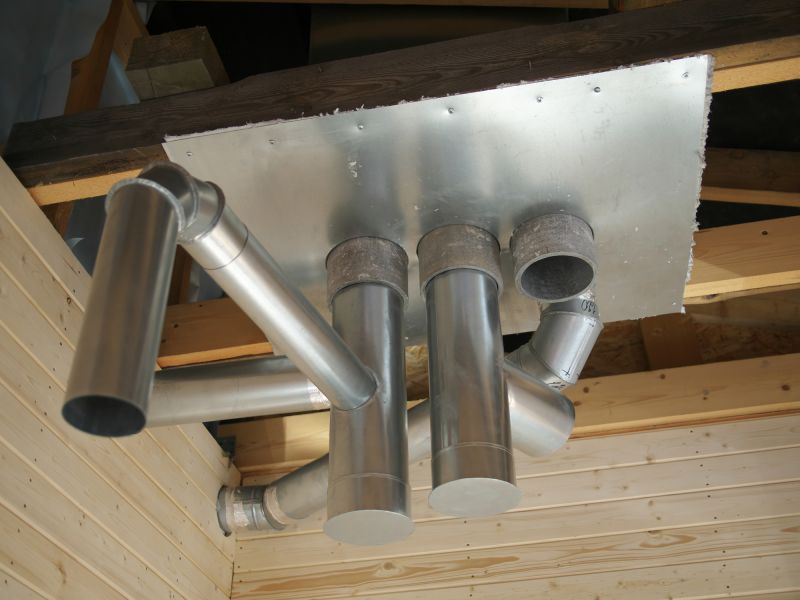
Ductwork and Ventilation System Setup - designing and installing duct systems for HVAC or ventilation purposes shares planning and material handling skills with Whole House Fan projects.
Attic Insulation and Venting - improving attic ventilation and insulation involves planning and installation techniques relevant to optimizing airflow and energy efficiency.
Window Exhaust Fan Replacement - upgrading or installing window fans requires electrical connections and airflow understanding similar to whole house fan installation.
When comparing service providers for Whole House Fan Installation, it’s important to consider their experience with similar projects. Homeowners should look for local contractors who have a proven track record of installing whole house fans effectively and efficiently. Asking about the types of homes or spaces they have worked on can help gauge their familiarity with different architectural styles and ventilation needs. An experienced professional is more likely to understand potential challenges and recommend solutions that suit the specific layout of the home.
Clear, written expectations are essential to ensure everyone is on the same page before work begins. Homeowners should seek service providers who can provide detailed descriptions of the installation process, including what is included and any potential limitations. Having these expectations documented helps prevent misunderstandings and provides a basis for evaluating the quality of service. It’s also beneficial to inquire whether the contractor can offer a written outline of the project scope, which can serve as a reference throughout the work.
Reputable references and good communication are key factors when selecting local contractors. Homeowners should ask for references from previous clients who had similar installations, as this provides insight into the contractor’s reliability and workmanship. Additionally, choosing a provider who is responsive and transparent in their communication can make the process smoother and more predictable. While the site introduces homeowners to local options, it is the homeowner’s responsibility to verify these qualities directly with potential service providers to find a good fit for the project.
Property owners use Whole House Fan Installation services for practical projects around their homes and businesses. This guide focuses on everyday jobs and straightforward project options.
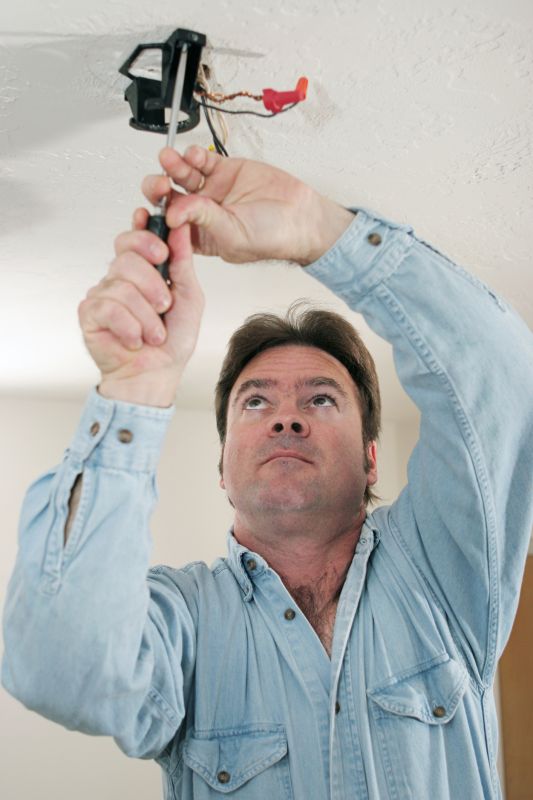
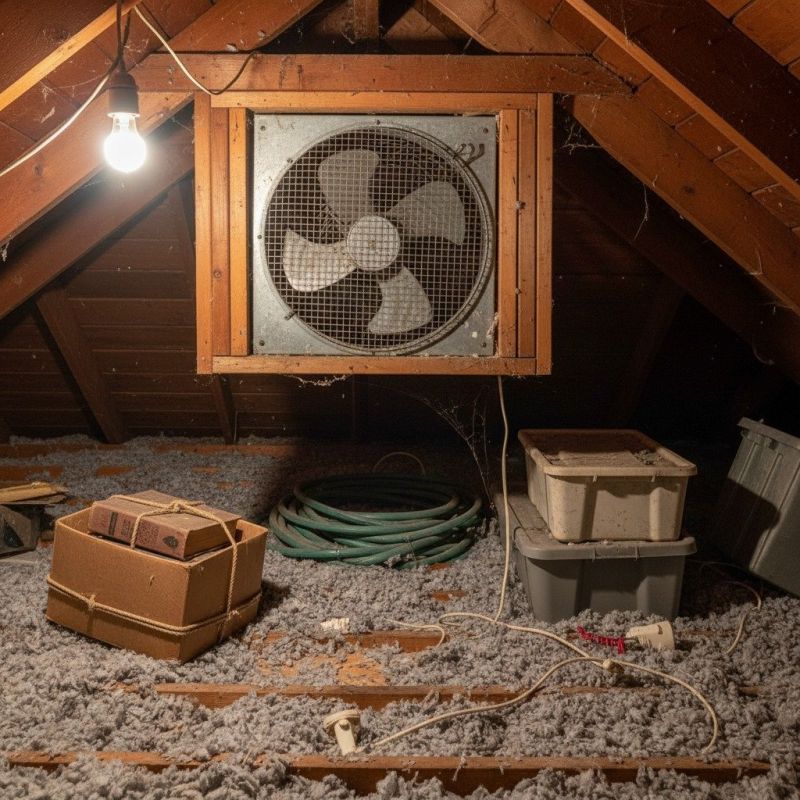
Whole house fan installation is a practical solution for property owners looking to improve indoor comfort and air circulation. Many local residents consider this upgrade to help reduce reliance on air conditioning during warmer months, leading to a more comfortable living environment. Homeowners often seek out local contractors to handle the installation process, ensuring that the system is set up correctly and efficiently to meet their specific needs.
In addition to comfort, property owners might pursue whole house fan services to enhance energy efficiency and reduce utility costs. Local service providers can assist with selecting the right system for the home’s size and layout, making sure the installation is seamless. Whether for a new build or an existing property, many find that connecting with experienced local contractors makes the process straightforward and hassle-free.
What is a whole house fan and how does it work? A whole house fan is a ventilation system installed in the attic that helps cool a home by pulling in cooler outside air and exhausting warm indoor air through attic vents, improving airflow throughout the house.
Are there different types of whole house fans available? Yes, there are various models designed for different home sizes and ventilation needs, including ceiling-mounted and attic-mounted options, which local contractors can help select and install.
What should I consider before installing a whole house fan? Factors include the size of the home, attic space, existing ventilation, and whether the home’s structure can accommodate the installation, which local service providers can evaluate.
Can a whole house fan be used alongside other cooling systems? Yes, a whole house fan can complement air conditioning or ceiling fans to enhance overall cooling efficiency and reduce energy use.
How do local contractors typically install whole house fans? Installation generally involves attaching the fan to the attic or ceiling, connecting it to the home's electrical system, and ensuring proper ventilation, tasks handled by experienced local service providers.
Whole House Fan Installation - This service can help property owners improve indoor comfort by efficiently ventilating their homes during warm weather.
Whole House Fan Installation - Homeowners looking to reduce reliance on air conditioning might use this service to promote natural airflow throughout their property.
Whole House Fan Installation - Property owners can consider this upgrade to enhance air circulation and maintain a fresh environment inside their homes.
Whole House Fan Installation - Local contractors can assist in integrating a whole house fan into existing ventilation systems for better climate control.
If you are thinking about Whole House Fan Installation for a property, this guide is meant to help you understand the work, the typical project types, and how different options might fit your plans.
When you are ready, you can use the quote form on this page to share a few details about your project. From there, local pros can review the basics and respond with options that match what you have in mind.